What type of shoes should I avoid with Morton’s neuroma?
The primary offender is a narrow, pointed toe box. When the toes are forced together, the nerve between them gets compressed with every step, which is exactly what drives the burning and numbness that characterises Morton’s neuroma. High stilettos compound this by transferring most of the body’s weight onto the ball of the foot, directly over the affected area. Thin, hard soles without any forefoot cushioning also aggravate symptoms on unyielding surfaces. In terms of what shoes to consider, our flats, sneakers and other shoe types offer forefoot room and cushioning, making them more naturally suited to women managing this condition.
Do wider toe boxes actually make a difference?
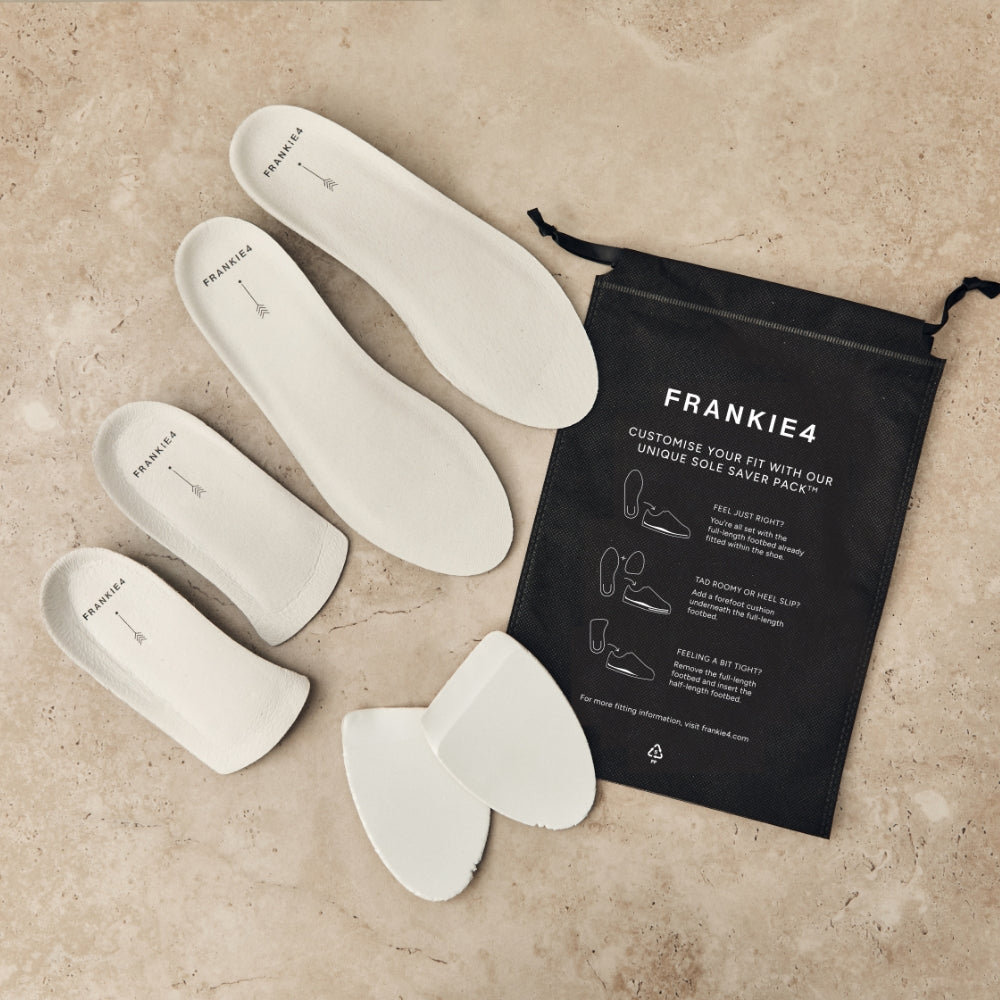
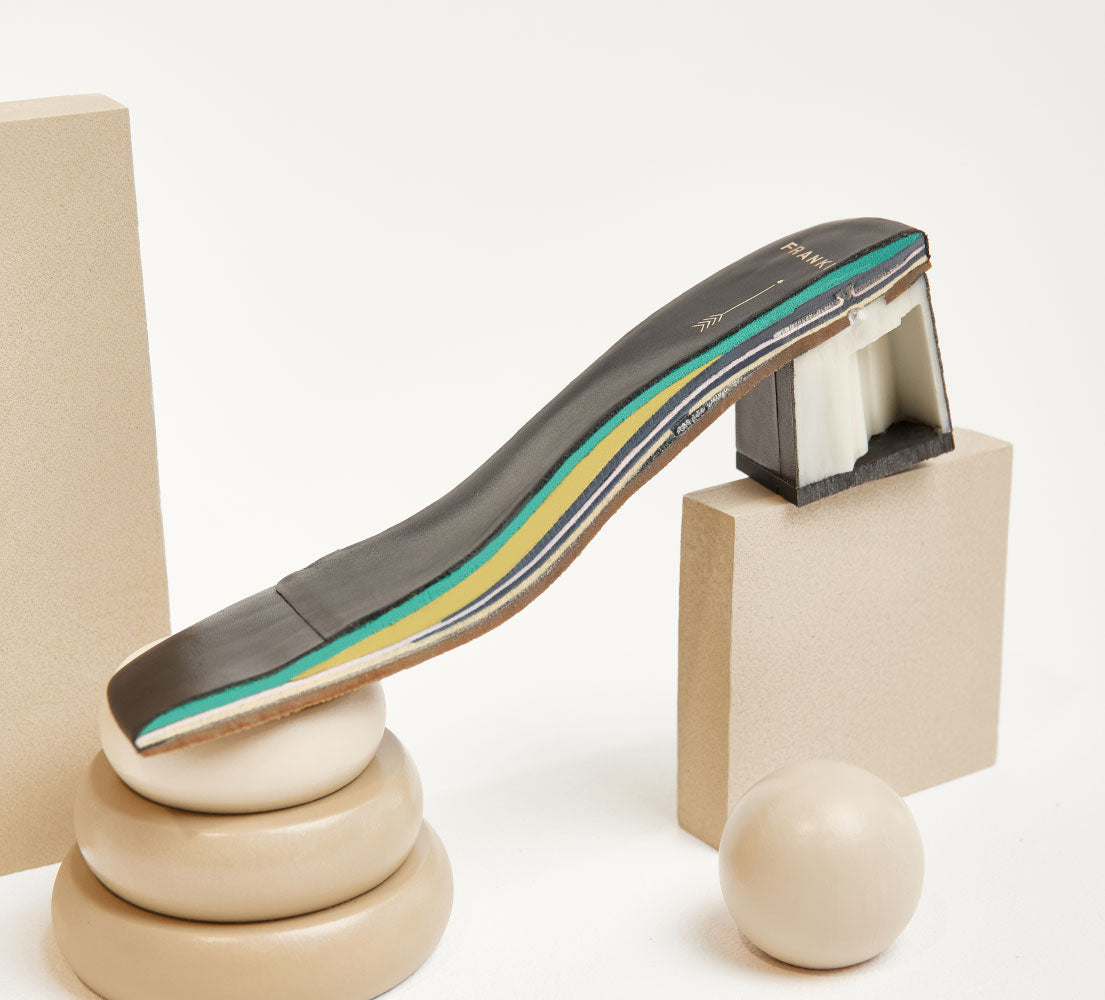
Yes, wide toe boxes make one of the most meaningful differences of any footwear feature for Morton’s neuroma. A wide toe box allows the toes to sit in their natural spread rather than being pushed together, which reduces lateral compression in the forefoot area. Our podiatrist-designed footbeds add another layer of benefit by supporting the metatarsal arch, which distributes load more evenly across the forefoot. Women who switch to footwear with proper forefoot volume often notice their symptoms become more manageable in the days that follow. Our women’s boots are designed with the same forefoot-considerate construction, so you are not limited to lighter styles if your climate or dress code calls for something more substantial. Our women’s sandals, on the other hand, offer the most natural forefoot freedom of any category and are popular among women managing Morton’s neuroma through warmer months.
Can I wear heels if I have Morton’s neuroma?
Very high heels are best avoided because of the forefoot loading problem. However, a modest heel can be workable and, for some women, actually more comfortable than a completely flat shoe because it slightly reduces dorsiflexion tension. The key is forefoot volume, since a wide, cushioned forefoot matters more than heel height in this context. Our women’s mid heels are designed with the same podiatrist-designed footbed as our flats, including forefoot cushioning that buffers impact at the ball of the foot. Our kitten heels are another worth considering, combining a minimal elevation with a more forgiving forefoot shape. For dressier occasions, our women’s heels collection has options across heel heights, and easy returns mean you can try a pair at home before committing.
What everyday styles work best for Morton’s neuroma?
For day-to-day wear, you want styles that prioritise forefoot space, cushioning, and a stable base. Our women’s loafers are a strong starting point, polished enough for most settings with an enclosed structure that keeps the foot secure without squeezing the toes. Our women’s casual flats offer similar benefits in a lighter silhouette that works well in warmer weather or more relaxed environments. For women who are on their feet for extended periods, our women’s orthotic friendly sneakers provide the deepest forefoot cushioning and also accept custom orthotics if your podiatrist has prescribed metatarsal padding. Our adjustable sandals for wide feet round out the warmer-weather options with an adjustable strap that lets you control how much room you give the forefoot.
How does Morton’s neuroma relate to other foot conditions?
Morton’s neuroma rarely exists in complete isolation. It often appears alongside other forefoot issues, and many women with the condition also have some degree of metatarsalgia, a broader inflammatory response in the ball of the foot. Bunions can also push toes into the kind of lateral compression that aggravates a neuroma, and our bunion shoes are designed for exactly that overlap. Heel pain is another frequent companion condition, since the same footwear habits that load the forefoot tend to under-support the heel as well. Our women’s shoes for plantar fasciitis and women’s shoes for heel pain are worth exploring if you are dealing with pain in multiple areas. More broadly, our full range of women’s shoes with podiatrist-designed footbeds covers the whole foot rather than addressing one area in isolation.
Are there work shoes suitable for Morton’s neuroma?
Since Morton’s neuroma tends to worsen with extended time on your feet, getting your work footwear right is particularly important. Our work shoes collection includes styles with removable podiatrist-designed footbeds, which is useful if your podiatrist has recommended metatarsal padding alongside your regular footwear. Those in corporate or office environments can browse our women’s corporate shoes for polished styles that carry the same forefoot-conscious construction. Salon workers and beauty professionals will find suitable options in our women’s shoes for beauty professionals collection, while those in restaurants, cafés, and retail have a dedicated range in our hospitality shoes. Our women’s shoes for teachers covers the school day, and our women’s shoes for nurses and other health professionals is built for the demands of clinical environments.
FRANKIE4 footwear is not a medical device. If you are experiencing Morton’s neuroma symptoms, consult a qualified health professional for diagnosis and treatment advice. FRANKIE4 shoes are designed to support foot health and help reduce discomfort, not to treat or cure any medical condition.